Why go
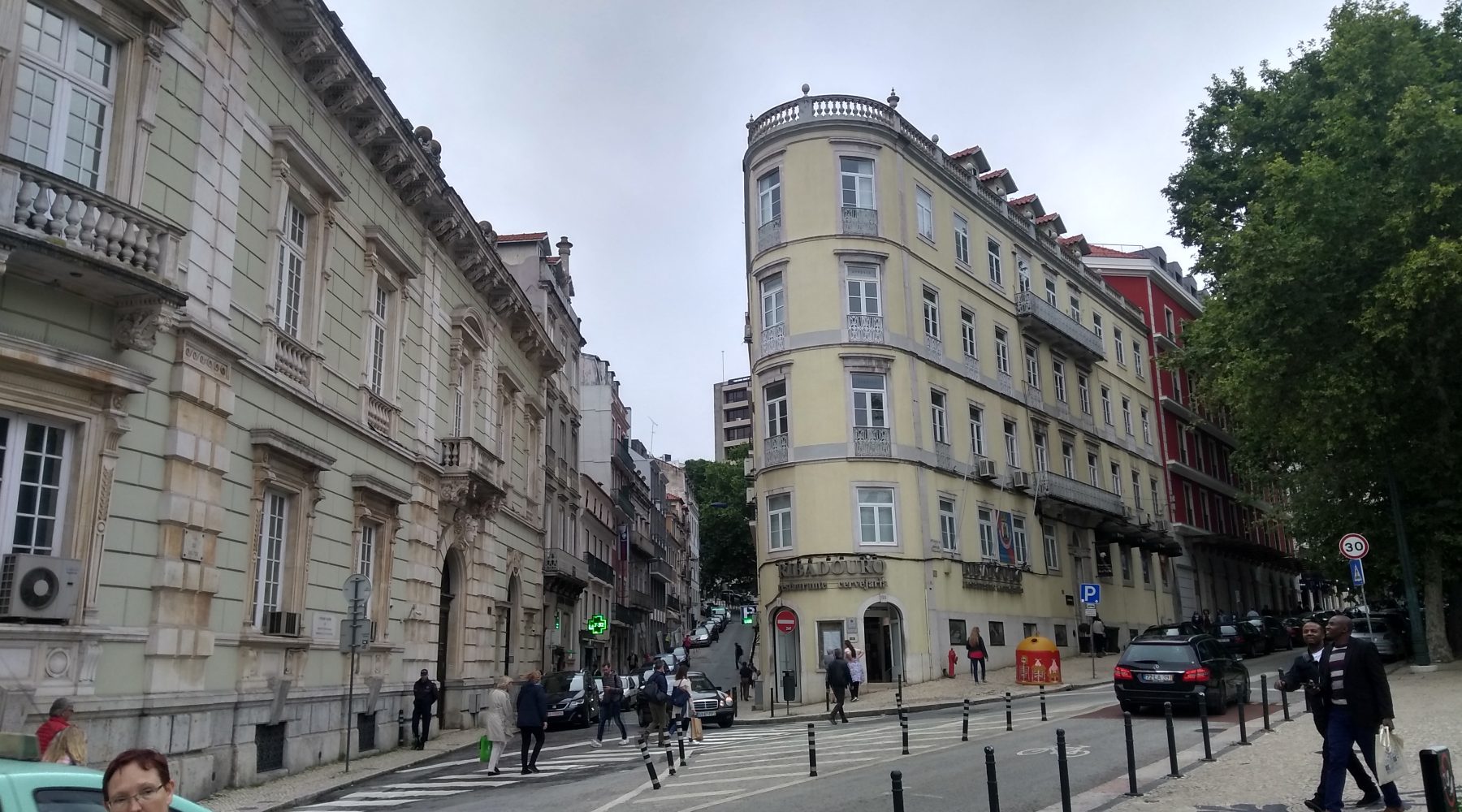
Lisbon is a low city of tiled facades and steep gradients, where the light comes off the Tagus estuary and makes everything look better than it should at 6pm. It has become busy; the answer is to sleep outside Baixa and eat where the lunch menu is written by hand.
Five things to do
-
01
Tram 28, boarded early
Do it at 8am or not at all.
-
02
One meal at the Time Out Market
Then eat in tascas the rest of the trip.
-
03
Fado in Alfama
Small rooms, no amplification.
-
04
Miradouro da Senhora do Monte
The best of the viewpoints.
-
05
Sintra by train
Go midweek and book the palaces ahead.
Neighbourhoods
Alfama
The Moorish quarter the 1755 earthquake spared.
Príncipe Real
Botanical garden, design shops, long lunches.
Marvila
Warehouses, breweries and new galleries.
Belém
Monastery, tower and the original custard tart.
Getting around
Buy the transport card on arrival — every city on this list has one, and it is cheaper than single fares within about four journeys. Walking covers more than the map suggests: most of the districts above are within thirty minutes of each other on foot.
Taxis and ride apps are worth it late at night and when you are carrying luggage. Everything else is faster on the metro, the tram or the ferry, in that order.
Where to eat
The rule that holds in Lisbon is the rule that holds everywhere: eat at the busy place, at the hour the locals eat, and order the thing the kitchen makes most of. Reserve for dinner in the districts above; lunch rarely needs it.
Two days here
- Morning: Tram 28, boarded early
- Afternoon: walk Alfama
- Evening: Fado in Alfama
- Day two: Sintra by train
Reviews
Reviews and replies are open to members. It takes a minute to join and you will get a confirmation email.