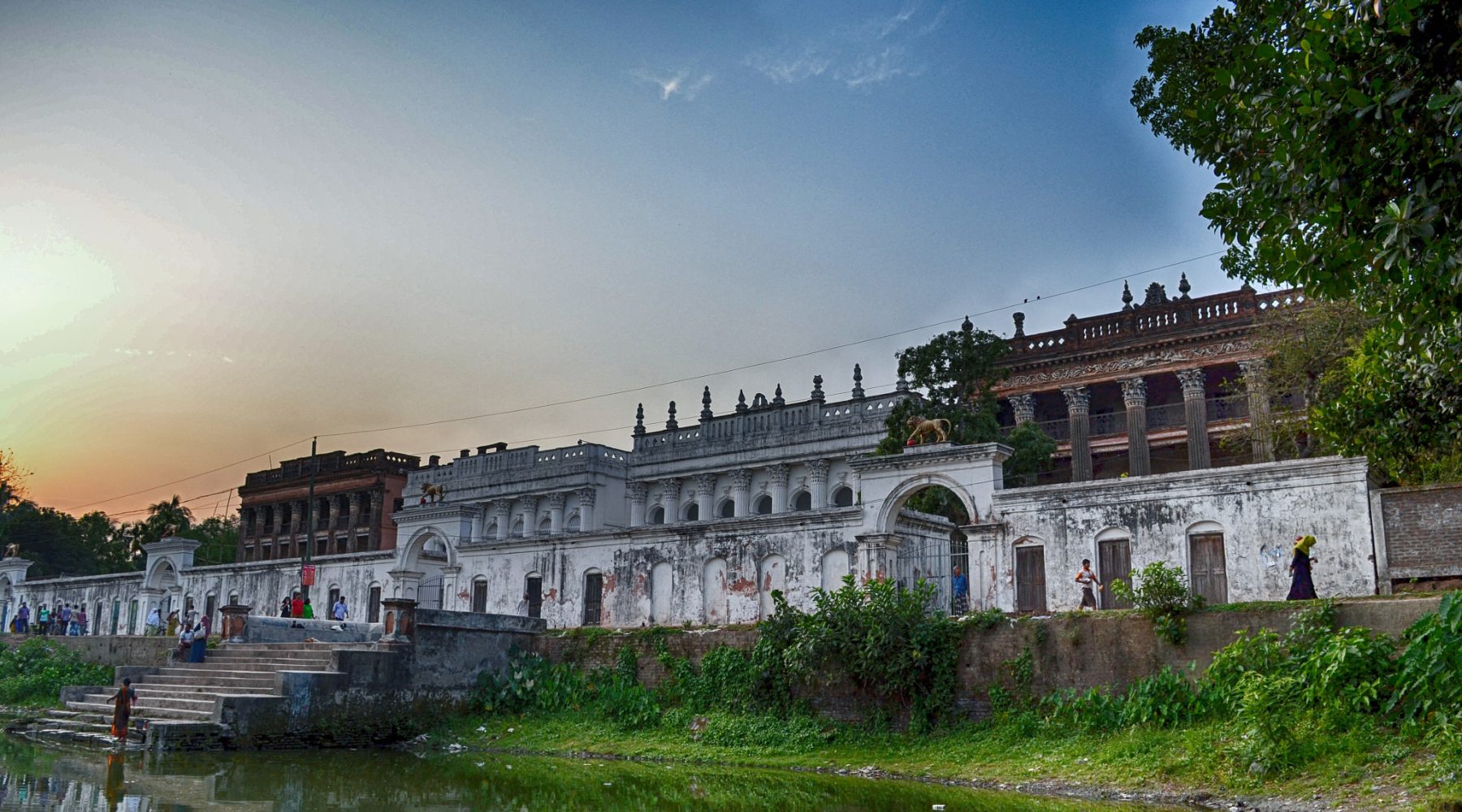
Bangladesh
The world's largest delta, the longest beach, and the last of the mangrove tigers.
Overview
Bangladesh sits on the world's largest river delta, and water shapes everything: the transport, the harvest calendar, the architecture on stilts. It receives a fraction of the region's visitors, which means the Sundarbans, the tea gardens of Sylhet and the hill tracts around Bandarban are largely free of tourist infrastructure — for better and worse.
Things to see and do
Four things worth building an itinerary around, rather than a list of everything.
-
01
The Sundarbans
The largest mangrove forest on earth, shared with India, and the last stronghold of the swimming tiger.
-
02
Srimangal
Tea gardens, rainforest at Lawachara and seven-layer tea served in a glass.
-
03
Paharpur and Bagerhat
An 8th-century Buddhist monastery and a mosque city of 15th-century terracotta, both UNESCO listed.
-
04
Rocket paddle steamer
Colonial-era river steamers on the Dhaka–Khulna route, when they are running.
When to go
The usable window is Nov–Feb. July is typically the warmest month and January the wettest; the shoulder weeks either side of the peak give you most of the weather at a fraction of the price.
Average temperature and rainfall
Indicative national averages. Mountain and coastal regions vary sharply from these figures.
Getting there and around
International arrivals concentrate on Dhaka, and for most visitors that is the sensible entry point even when it is not the first place you want to be.
Overland
Long-distance buses cover more of the country than the railway, run more often, and cost less. Trains, where they exist, are more comfortable for the same money.
Local transport
In Dhaka, use the metered taxi or a ride app rather than negotiating at the kerb, and carry small notes — change is a genuine problem in most of the country. Intercity travel is worth booking a day ahead during the Nov–Feb peak.
Food and drink
Eat where the turnover is fastest. In Bangladesh that usually means the market stalls at lunch and the neighbourhood places that open at seven and stop serving when the pot is empty.
Portions, timings and the position of the main meal in the day all vary from what you are used to. Ask what the kitchen is doing well today rather than reading down the menu, and order what the next table is eating.
Passport and visa
Current position: Visa on arrival for some nationalities; check first.
Most nationalities need a passport valid for six months beyond the date of entry, with at least two blank pages. Onward or return tickets are checked at the gate more often than at the border, and airlines apply the rule more strictly than immigration does.
- Check your own government’s travel advice as well as the destination’s rules — they update at different speeds.
- Where an e-visa or travel authorisation applies, apply through the official government portal. Search results are full of paid intermediaries.
- Keep a photo of your passport page and any approval separately from the documents themselves.
Money and costs
The currency is the Bangladeshi taka (BDT). Card acceptance is normal in cities and patchy outside them; carry enough cash for two days of small purchases at all times.
Rough daily budget
- Budget — hostel, street food, busesUS$30
- Mid-range — guesthouse, restaurants, some taxisUS$132
- Comfortable — hotel, guided days, carUS$219
Per person per day, excluding international flights.
Tipping
Rounding up is normal and welcomed; a set percentage is not universal. Check whether service is already on the bill before adding to it.
Health and safety
Standard travel advice applies: routine vaccinations up to date, comprehensive insurance that covers the activities you actually intend to do, and a pharmacy plan for the ordinary things rather than the dramatic ones.
- Carry oral rehydration salts. Most travel stomach upsets resolve in a day, and fluid loss is the part that causes trouble.
- Check whether your insurance covers motorbike hire — many policies exclude it by default.
- Save the local emergency number to your phone on arrival, and note the nearest hospital to where you are staying.
Petty theft in busy tourist areas is the most common problem visitors report. Situational awareness handles nearly all of it.
Culture and etiquette
The official language is Bangla. Learning six words — hello, please, thank you, yes, no, and the number two — changes how a trip goes far more than the effort suggests.
Hospitality can be overwhelming in the best sense; expect to be invited for tea several times a day.
Reviews
Reviews and replies are open to members. It takes a minute to join and you will get a confirmation email.